How Long Do Dental Bridges Last? Understanding the Lifespan of a Dental Bridge
If you’ve ever wondered how long a dental bridge lasts, you’re not alone. Many people in Scotland choose this treatment to restore their smile, but few really know what affects its lifespan. This article is worth reading if you’re thinking about getting a dental bridge or already have one and want to make it last as long as possible. We’ll explore the types of dental bridges, how to look after them, and the small daily habits that can make a huge difference to your long-term results.
Outline
- What is a dental bridge, and why might you need one?
- How long does a dental bridge last?
- What factors influence how long a dental bridge lasts?
- Types of dental bridges: which is right for you?
- How fixed bridges work to replace missing teeth
- Common problems that lead to needing a new bridge
- How to care for your dental bridge every day
- Can proper care really make your dental bridge last longer?
- Professional dental visits and checkups: why they matter
- Final thoughts: ensuring your bridge will last
What is a dental bridge, and why might you need one?
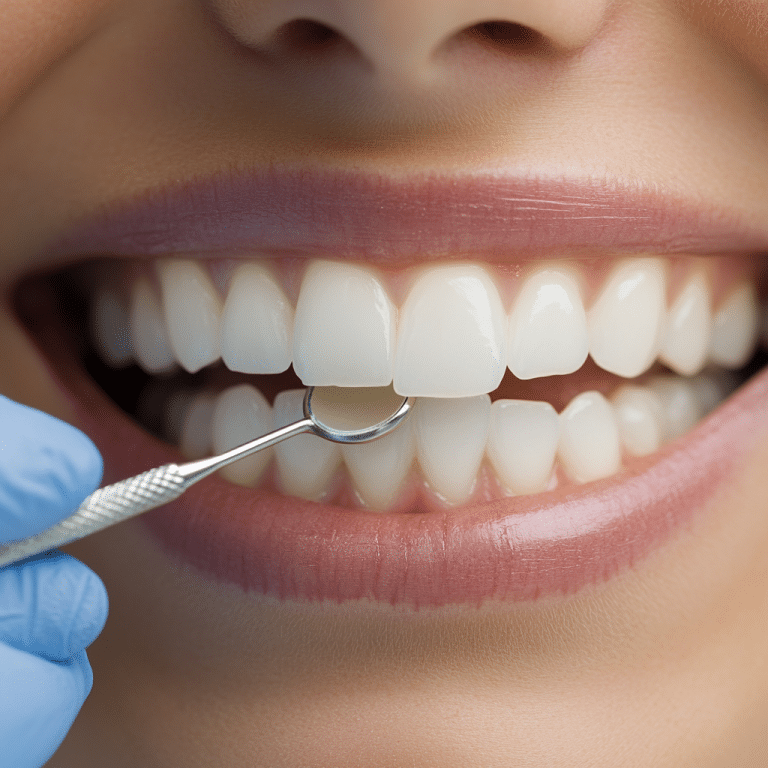
A dental bridge is a valuable dental restoration designed to replace missing teeth. It quite literally bridges the gap where one or more teeth are missing. The bridge uses natural teeth on either side as anchors – these are called abutment teeth – to hold a false tooth or several artificial teeth in place.
At Blessing Dental Care, we often see patients who’ve lost a tooth because of decay or injury and want a long-term solution. A dental bridge is a fixed structure, so it doesn’t come out as dentures do. It looks natural, feels solid when you chew, and can restore confidence when smiling.
How long does a dental bridge last?
The lifespan of a dental bridge depends on how well you look after it and other factors like diet, oral hygiene, and regular checkups. Most dental bridges can last anywhere between 10 to 15 years, though some could last much longer with proper care.
At Blessing Dental Care, our dentists remind patients that a bridge may eventually show wear, or the cement may loosen, but this doesn’t mean it’s failed – it might just need some dental work or retouching. A bridge can last for decades if carefully maintained.
What factors influence how long a dental bridge lasts?
Several factors influence how long your dental bridge will function effectively. The health of surrounding teeth plays a huge role since they provide the main support. If these supporting teeth weaken due to tooth decay or gum disease, the bridge could fail earlier.
The location of the bridge also matters. Bridges placed on front teeth experience less chewing pressure compared to back teeth, where grinding is strong and constant. This pressure on the bridge can affect the lifespan of your dental bridge significantly.
Types of dental bridges: which is right for you?
There are multiple types of dental bridges, and the type of bridge you choose affects how long your bridge will last. The traditional dental bridge is the most common type of dental bridge, using crowns on both sides of the gap. A cantilever bridge supports the replacement tooth on only one side, which could work well for gaps near the front of your mouth where less pressure occurs.
A Maryland bridge bonds to the backs of adjacent teeth using metal or ceramic wings – less invasive but slightly less durable. Then there’s the implant-supported bridge, which anchors to dental implants instead of natural teeth, offering a more stable and long-lasting result.
How fixed bridges work to replace missing teeth
Fixed bridges are common in modern dental clinics across Scotland because they’re reliable and look natural. Each dental bridge has several parts of your bridge: the crown-covered abutment teeth and the artificial teeth (also known as pontics). Together, these bridges offer a strong solution for missing teeth.
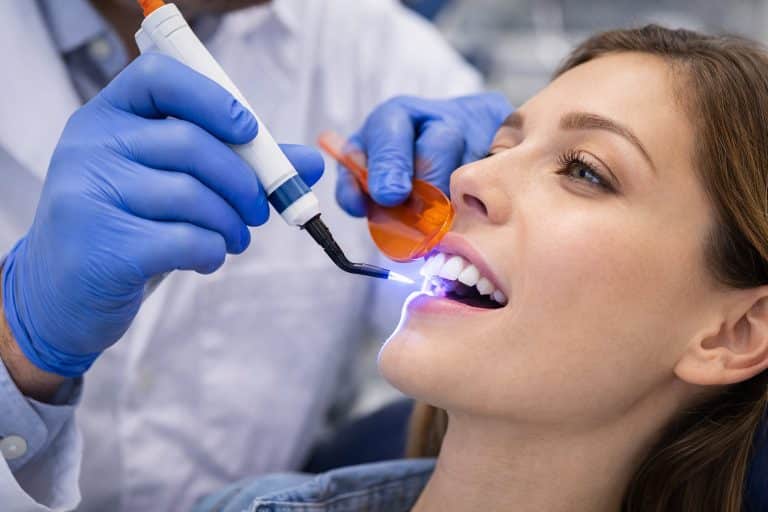
Your dentist uses dental cement to hold the bridge in place, creating a secure connection between your natural teeth and the false tooth. The result? A bridge is both functional and beautifully aesthetic.
Common problems that lead to needing a new bridge
Even with careful maintenance, dental bridges may eventually need replacement due to wear, gum changes, or decay around the surrounding teeth and gums. Sometimes, the condition of your bridge deteriorates if bacteria get around the bridge.
If you experience sensitivity or discomfort, it could mean you need a new dental bridge. At Blessing Dental Care, our team offers thorough evaluations to check the condition of the bridge and ensure your oral health stays on track.
How to care for your dental bridge every day
Learning how to care for your dental bridge is vital if you want to make it last as long as possible. Brushing twice daily, flossing and cleaning under the bridge every day, and using a water flosser help keep the teeth and gums healthy.
Following your dental care routine properly can prevent tooth decay around adjacent teeth and protect against infection. The bridge may last longer if you keep your bridge clean and free from plaque buildup.
Can proper care really make your dental bridge last longer?
Absolutely. When done consistently and supported by regular dental visits, proper care can extend the lifespan of your bridge. Regular cleanings allow dental professionals to catch small problems early before they cause bigger issues.
At Blessing Dental Care, we often remind patients that dental bridges aren’t maintenance-free, but with care, your bridge could last between 5 and 15 years – some even last a lifetime.
Professional dental visits and checkups: why they matter
Your dentist can spot early signs of wear and guide you on how to ensure your bridge remains stable. Skipping routine dental visits might shorten the lifespan of the bridge significantly, as unnoticed decay or shifting can weaken supporting teeth.
Every dental bridge is unique, and several factors influence how long each lasts. Visiting Blessing Dental Care for checkups means getting tailored advice based on your bridge or need, your bite, and your oral hygiene habits.
Final thoughts: ensuring your bridge will last
A well-made and cared-for dental bridge is a valuable investment in your smile. With attention to oral hygiene, smart daily habits, and regular visits to Blessing Dental Care, your dental bridge can stay strong and beautiful for years. Remember, with the right approach, your bridge could truly last a lifetime.
Key things to remember
- A dental bridge is a long-term solution for replacing missing teeth.
- Most dental bridges last between 5 and 15 years, depending on care.
- The health of surrounding teeth affects your bridge’s lifespan most.
- Floss and clean under your bridge every day to protect teeth and gums.
- Regular dental checkups at Blessing Dental Care help extend the lifespan.
- Dental bridges may need replacing eventually, but bridges offer durability when cared for properly.
- The location of the bridge and type of material matter for longevity.
- Follow your dentist’s advice to ensure your bridge stays secure and functional.