Do Crowns Get Screwed In? Understanding Dental Implants
Ever wondered how an implant crown actually attaches to a dental implant? This guide walks you through what happens beneath the surface, the differences between cement‑retained and screw‑retained crowns, and how dentists at Blessing Dental Care in Paisley plan each implant restoration for long‑term success. If you’ve lost a tooth or are exploring options for replacing missing teeth, this article is worth your time.
Outline
- What is an implant crown?
- How does a dental implant work beneath the surface?
- The role of the abutment in implant dentistry
- Screw‑retained crowns explained
- Cement‑retained crowns explained
- How crowns attach to implants
- What happens when a crown or screw loosens?
- The process of crown replacement
- Comparing screw‑retained and cement‑retained implants
- Choosing the right crown restoration at Blessing Dental Care
What is an implant crown?
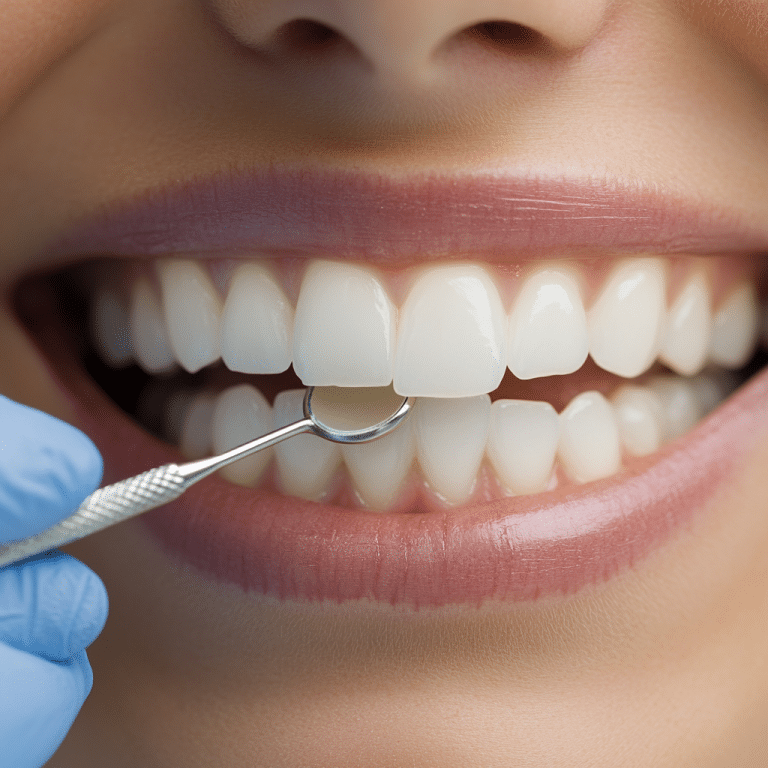
The visible part of a dental implant restoration is the implant crown. This is the crown that takes the place of your missing tooth. It looks and works just like your real teeth, bringing back your smile and bite after implant surgery. Our team at Blessing Dental Care makes sure that every crown we put on feels natural and fits in perfectly with the gum tissue around it.
The implant post goes into the bone, the abutment connects the two pieces, and the crown goes on top. Together, these parts of the implant make a strong base for replacing teeth for a long time.
How does a dental implant work beneath the surface?
After the implant is put in the jaw, it heals and fuses with the bone. This process is called osseointegration. The implant will eventually become a part of your body’s natural structure. During this time, a healing abutment is often used to shape the gum and keep the implant site safe.
The permanent crown can be put on the implant after it has healed. This could be a temporary step at first, depending on your treatment plan, before you get your final crown replacement.
The role of the abutment in implant dentistry
The abutment is what connects the implant to the crown. You could say that it acts as a middleman between the crown and the implant, making sure they fit together well and work well. Depending on the type of implant restoration chosen, the crown can be attached to the abutment with either a screw or cement.
Your dentist at Blessing Dental Care will carefully plan this step to make sure that the abutment lines up with the implant’s long axis. This will make it easier to bite and chew.
Screw‑retained crowns explained
A screw‑retained crown is secured using a tiny implant screw that passes through the crown and anchors directly onto the implant. There’s usually a small screw access hole, later sealed with a filling or composite covering the screw.
Screw‑retained crowns use a mechanical method to hold everything together. This makes it easier for your dentist to remove the crown if maintenance or cleaning is needed. Also, they’re excellent for reducing implant complications related to excess cement.
At Blessing Dental Care, screw‑retained implants are often recommended for patients who want a restoration that’s easy to adjust or repair without damaging surrounding gum tissue.
Cement‑retained crowns explained
A cement‑retained crown works differently. Instead of using a screw, the crown is attached with dental cement. This type of implant crown can offer a slightly more natural appearance because there’s no screw access channel or cover screw visible on top.
However, using dental cement carries one small risk: if there’s excess cement left, it can irritate the gum or even cause implant failure. For that reason, our dentists at Blessing Dental Care use precise methods to prevent this during your crown restoration.
Both cement-retained crowns and screw retained crowns have their place, and your treatment option depends on your aesthetic goals, bite, and implant site.
How crowns attach to implants
When planning implant restoration, your dentist looks at how crowns attach to implants. For some, the crown attaches to the abutment using a screw attachment; for others, cemented crowns sit onto the implant using adhesives.
The crown to the implant must align with the implant platform, maintaining proper contact with natural teeth nearby. The goal is for the crown to feel just like your original tooth – as if it’s attached directly to the implant.
At Blessing Dental Care, we guide every patient through the options so there are no surprises when it’s time to place your crown.
What happens when a crown or screw loosens?
Over time, a screw loosening can happen. If that occurs, the dentist can reopen the screw access channel and tighten the screw again. This small maintenance step helps preserve the retained implants and prevent movement around the implant.
For cement‑retained implant cases, adjustments can be trickier because the crown is fixed with adhesive. It might need careful removal and crown replacement, depending on how it was secured.
The process of crown replacement
Sometimes crowns wear down or stain, and that’s when a crown replacement becomes necessary. The dentist will carefully check access to the abutment, remove any cement or open the screw hole, and fit the new crown in place.
This ensures your implant restoration remains stable and looks fresh. At Blessing Dental Care, replacement is always planned as part of an overall treatment plan, not a quick fix. Proper maintenance keeps your implants healthy around the implant and prevents long‑term issues.
Comparing screw‑retained and cement‑retained implants
So, which is better – screw‑retained or cement‑retained and screw‑retained hybrid systems? It depends on your situation. Screw‑retained crowns reduce maintenance time and allow easy repair, but cement‑retained crowns often look slightly more natural.
In some cases, screw‑retained and cement‑retained combinations are used to achieve the best of both worlds, maintaining clean aesthetics while preserving access to the abutment. Whatever you choose, Blessing Dental Care will customise your treatment plan for comfort and durability.
Choosing the right crown restoration at Blessing Dental Care
Implant dentistry is about more than placing an implant; it’s about creating a beautiful, lasting restoration that supports your oral health. Whether you need a screw‑retained implant, a cement‑retained implant, or a complex crown restoration, the experts at Blessing Dental Care can help.
We use modern scanning and digital planning to place crowns with precision, ensuring they align with the top of the implant perfectly. Our caring approach means we consider how each crown may feel, look, and function – never just how it fits mechanically.
Key Things to Remember
- An implant crown is the visible part of your dental implant that restores a missing tooth.
- Screw‑retained crowns allow easy maintenance with no risk of excess cement.
- Cement‑retained crowns look seamless but require careful technique to avoid implant complications.
- The abutment and implant screw play crucial roles in holding your crown steady.
- Proper planning and ongoing care at Blessing Dental Care help ensure your crown restoration lasts a lifetime.