Dental Bridge Care: How to Keep Your Smile Strong and Healthy
Thinking about getting a dental bridge, or already have one? This guide is for you. We’ll talk through how to care for a dental bridge, the daily habits that keep it clean, and the expert advice from our dentists at Blessing Dental Care in Paisley. If you want your bridge (and your smile) to last for years, this read is worth your time.
What is a dental bridge and how does it work?
A dental bridge is a restorative treatment that replaces one or more missing teeth. It literally bridges the gap – connecting a false tooth (or several) to your natural teeth on either side. At Blessing Dental Care, our dental professionals create bridges that match your smile perfectly while restoring full oral function.
Each type of bridge has a different structure, but they all have one purpose: to bring balance back to your bite. Since every mouth is different, the bridge may need some adjustments to ensure comfort and durability. The success of your dental bridge depends a lot on the strength of supporting teeth and bridge design, so strong foundations are key.
Why do people choose dental bridges for missing teeth?
Many patients at Blessing Dental Care choose a dental bridge because it’s relatively quick, affordable, and feels natural once fitted. It helps restore your smile, maintain the shape of your face, and improve chewing and speech.
A bridge can last many years when maintained with proper care. It prevents other teeth from drifting out of position, keeping your alignment healthy. For those interested in getting dental bridges, our team offers personalised care to ensure the best long-term results.
How long can a dental bridge last with proper care?
On average, a dental bridge can last over a decade – but with good oral hygiene, it could stay solid for much longer. The longevity of your dental bridge depends on how well you look after it and your overall dental well-being.
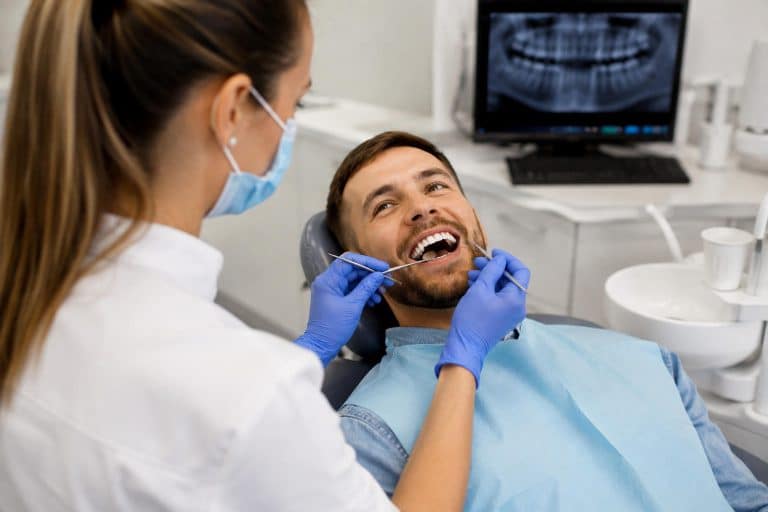
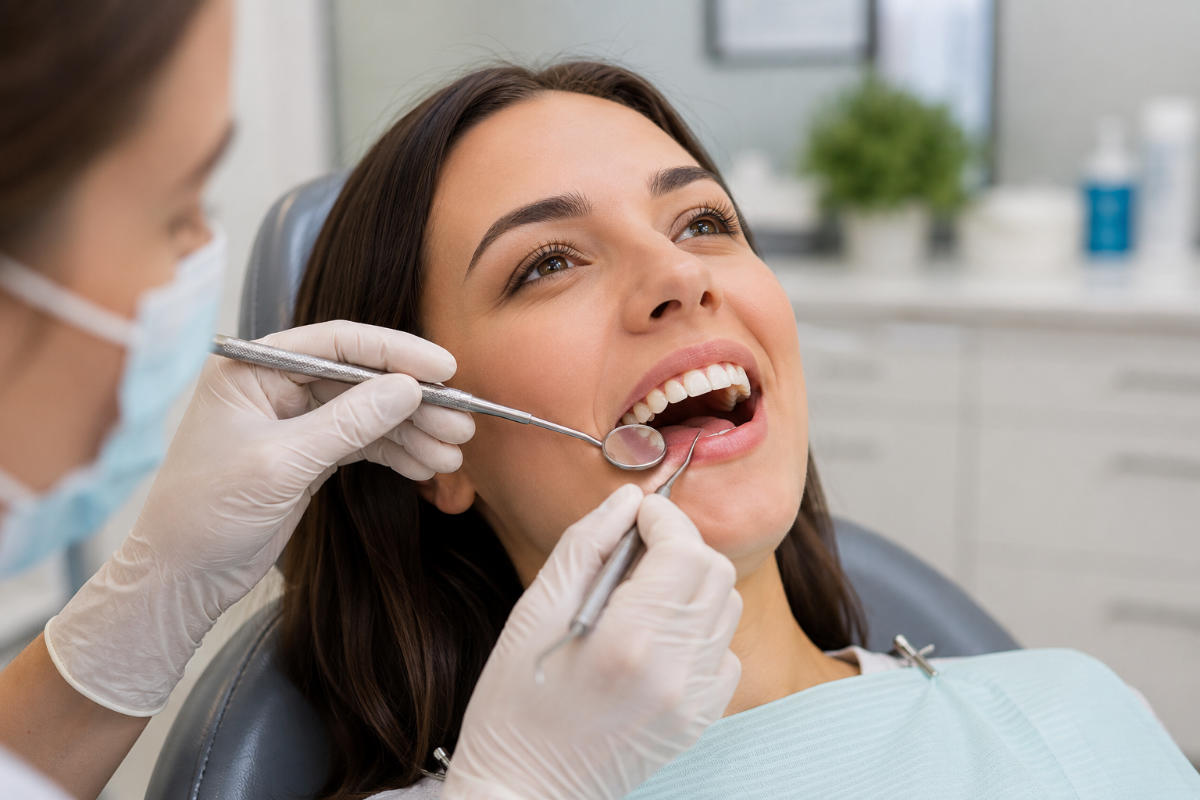
During routine checkups at Blessing Dental Care, our team will examine the bridge, check supporting teeth, and ensure the bridge remains functional. Regular care helps catch potential issues before they become serious. Protecting it now means extending the life of your dental restoration later.
What’s the best way to clean your dental bridge?
Cleaning your dental bridge is all about reaching those hard-to-reach areas around and underneath the bridge. You’ll want to brush at least twice a day with a soft-bristle toothbrush and fluoride toothpaste.
Use floss or dental floss made for bridges to clean under the bridge and between teeth and the bridge. Some people find an interdental brush handy for this. Consistent cleaning prevents plaque buildup, which can lead to decay or gum disease.
At Blessing Dental Care, we often remind patients – keep their bridge as clean as their natural teeth. It’s the best way to keep your bridge strong and make sure your bridge remains in great condition for the long run.
What happens if plaque builds up around the bridge?
Plaque can be sneaky. When it gathers around a dental bridge, it creates an environment where decay and gum disease thrive.
Without proper care and maintenance, bacteria may collect around and under the bridge, risking the supporting teeth. Over time, this can damage the bridge and weaken its structure. If left unchecked, you might face a loose bridge – and that’s never fun.
That’s why our dentists at Blessing Dental Care insist on routine cleanings and regular dental visits. Catching small buildup early helps prevent bigger issues later.
How often should you see your dentist for a checkup?
It’s best to schedule regular dental checkups every six months. Routine dental checkups give your dentist a chance to examine the bridge, assess your bite, and look for damage to the bridge.
These regular dental check-ups are also a great time to get professional cleanings, keeping your oral hygiene at its best. Regular dental visits allow us to monitor the longevity of a dental bridge and spot any pressure points that might damage the dental bridge.
Food habits that protect your dental bridge
Chewing hard foods or using your teeth to open things can put stress on your bridge. Over time, this may damage the bridge or shorten the longevity of your dental bridge.
Try to avoid sticky or crunchy foods that could damage the dental bridge. Moderation is fine, but carelessness can cause cracks or loosen the supporting structure. At Blessing Dental Care, we’ll teach you how to protect your dental work while still enjoying your favourite meals.
Can a dental bridge be damaged or loosened?
Yes, a bridge could become loose if plaque weakens the supporting teeth, or if you frequently grind your teeth. When a bridge feels unstable, book an appointment right away.
A bridge may sometimes shift slightly or a bridge from excessive pressure. Avoiding these issues depends on awareness – you’ll want to catch it before it’s serious. We always encourage our Blessing Dental Care patients to reach out promptly for dental visits if something doesn’t feel right.
Are dental implants a better choice for me?
While dental bridges are durable, some patients consider dental implants as a fixed, long-term solution. Implants don’t rely on adjacent natural teeth, but they require surgery and longer healing.
At Blessing Dental Care, our dentists explain both options during consultations – sometimes we even combine treatments for optimal results. Choosing the right path depends on your dental bridge needs, budget, and comfort level.
Common questions about dental bridge care
We often get questions about dental restorations like:
- “How do I clean around my bridge?”
- “What if food gets stuck underneath the bridge?”
- “How often should I replace it?”
These questions about dental bridge maintenance are common, and there’s no one-size-fits-all answer. The best rule is consistency: care for your dental bridge like it’s your own tooth. A dental bridge involves a combination of good oral hygiene, professional cleanings, and regular dentalcheckups.
Key things to remember
- Brush teeth at least twice a day with fluoride toothpaste and a soft-bristled toothbrush.
- Floss or use an interdental brush to clean under the bridge and remove plaque.
- Schedule regular dental checkups every six months at Blessing Dental Care.
- Avoid hard foods that might damage the bridge or bridge could loosen.
- Keep an eye on any bridge feels discomfort – don’t ignore it.
- Caring for your dental restoration helps maintain bridge longevity and your overall oral health.
- Remember that dental bridges can last many years with optimal care and personalized carefrom trusted dental professionals.