How Many Teeth Can a Dental Bridge Replace? What You Need to Know About Dental Bridges
When you lose teeth, it can make you feel less confident and make simple things like eating or smiling feel strange. The good news is that modern dental bridges can replace many teeth at once, making your smile and ability to eat and talk better. Blessing Dental Care in Paisley has this article that goes into great detail about how dental bridges work, how many teeth they can replace, and when they are the best option for missing teeth.
What is a dental bridge and how does it work?
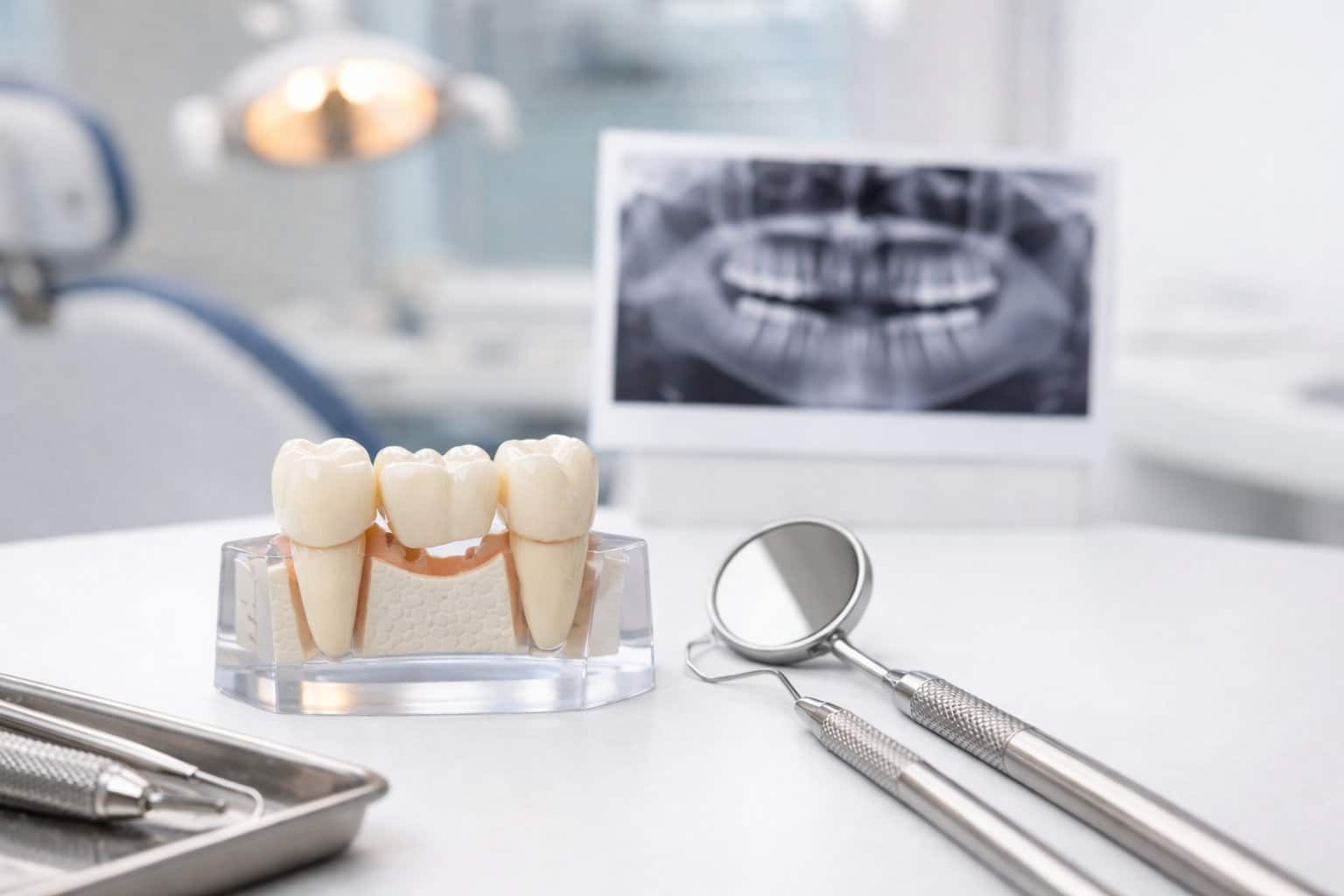
A dental bridge is a permanent tooth replacement that fills in the space left by missing teeth. It’s called a bridge because it literally bridges the space. It is attached to nearby teeth or, in some cases, dental implants that hold artificial teeth in place.
A dental crown that fits over the support teeth and one or more artificial teeth (called pontics) that replace the lost teeth make up most bridges. The bridge looks and works just like natural teeth once it is cemented in place. It restores both the look and strength of the bite.
How many teeth can a dental bridge replace?
So, how many teeth can a dental bridge take the place of? It depends on how many teeth you’ve lost and how stable your abutment teeth are. These are the two teeth on either side of the bridge that hold it in place.
Depending on how healthy your natural teeth or dental implants are, a traditional dental bridge can usually replace one to four teeth. We often recommend different options at Blessing Dental Care based on how your mouth is shaped, how your bite lines up, and how healthy your gums are. If you are missing four or more teeth, we may suggest an implant-supported bridge to make things more stable.
What are the different types of dental bridges?
There are different types of dental bridges available, and your dentist at Blessing Dental Care will help you choose the best one. The main types include:
- Traditional bridge – Supported by two adjacent teeth on either side of the gap.
- Cantilever bridges – Used when there’s only one supporting tooth next to the space.
- Maryland bridge – Involves bonding a small metal or porcelain framework to the back of natural teeth on either side of the gap.
- Implant-supported bridge – Anchored to dental implants instead of real teeth for extra stability.
Each type of bridge serves a specific purpose and can be used to replace one or more artificial teeth depending on the number of teeth a dental bridge is designed to support.
Can a dental bridge replace front teeth?
Yes, a dental bridge can replace front teeth too. Replacing front teeth requires a careful approach since these are highly visible and need a natural appearance.
At Blessing Dental Care, we create dental bridges that blend seamlessly with your smile using materials that match the shade and shape of your natural teeth. A Maryland bridge or a traditional bridge can both work, depending on the strength of your teeth on either side of the gap.
What about replacing many missing teeth?
When you have many missing teeth, a dental bridge can also be used with dental implants to rebuild your full smile. A single bridge can replace even three teeth in a row or more if properly supported. For stability, implant-supported bridges offer a strong and durable solution for multiple missing teeth.
In cases of severe loss of teeth, we might suggest dental implants placed at strategic points to hold a long bridge in place. This combination helps restore your ability to chew comfortably and smile confidently.
How do dental bridges function?
Dental bridges function like your natural teeth. They help distribute bite pressure, stop your remaining teeth from drifting, and protect your teeth and gums from further issues.
By filling the space between the teeth, a dental bridge can restore harmony to your bite. Many patients tell us they can finally enjoy food again and speak clearly after treatment – a sign that their bridge can support normal daily functions.
What happens when getting a dental bridge?
Getting a dental bridge usually involves two or three visits. First, your dentist reshapes the teeth on both sides of the gap to create space for the crowns. Next, we take impressions to custom-make your dental bridge and place a temporary bridge to protect your teeth while the permanent one is being built.
Once ready, we’ll remove the temporary version and cement the new bridge in place. Patients often notice an immediate improvement, though it can take a few days to adjust to the feel of their new teeth.
How do I choose a dental bridge?
When deciding to choose a dental bridge, consider the type of dental bridge, your budget, the teeth to support it, and your long-term dental goals. Blessing Dental Care often helps patients weigh the pros and cons of traditional bridges, implant-supported bridges, and Maryland bridges.
Each approach can replace missing teeth, but your bone strength, gum health, and personal preferences will determine which option delivers the most lasting result.
How long do dental bridges last?
With proper care, dental bridges can last between 10 and 15 years – and in many cases, even longer. Regular checkups at Blessing Dental Care and good oral hygiene are key.
Brush twice daily, floss carefully around the teeth when bridges are used, and visit for routine cleanings. Keeping the surrounding teeth and gums healthy is the best way to make your dental bridge last.
Can a dental bridge replace several teeth with implants?
Absolutely. For several teeth, an implant-supported bridge can efficiently replace multiple missing teeth without needing to crown two adjacent teeth. Instead, dental implants act as the support posts, helping preserve bone and keep your smile strong.
This option works especially well for back teeth or when traditional anchoring teeth aren’t strong enough. When combined with expert craftsmanship from Blessing Dental Care, it’s a reliable, natural-looking solution to replace your missing teeth once and for all.
What patients should know about dental bridges
Here’s what every patient should know about dental bridges before getting one. They’re a dependable way to replace missing teeth, they can replace one or more artificial teeth, and they’re suitable for cases where teeth can be replaced in a fixed, natural-looking way. A dental bridge may not only restore your bite but your confidence as well. At Blessing Dental Care, we make sure each dental bridge replace is both functional and beautiful.
Key points to remember
- A dental bridge can replace one to four missing teeth.
- Bridges can be traditional, Maryland, cantilever, or implant-supported.
- Dental bridges function like natural teeth and improve chewing and speech.
- For many missing teeth, implant-supported bridges are more stable.
- Blessing Dental Care provides tailored options to replace multiple teeth naturally.
- Good hygiene and regular checkups help dental bridges last for many years.